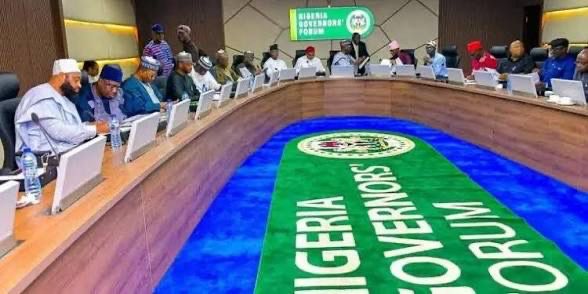
The Chairman of the Nigeria Governors’ Forum (NGF) and Governor of Kwara State, AbdulRahman AbdulRazaq, has revealed that governors across the country are weighing the possibility of adopting a new national minimum wage of N100,000 as economic challenges continue to bite harder.
AbdulRazaq made this known in a Facebook post on Saturday, explaining that the move was prompted by soaring inflation, the high cost of living, and increasing financial pressure on Nigerian workers.
READ MORE: NUT calls for urgent rescue of abducted Oyo pupils, teachers
According to him, state governments are currently holding discussions with the Federal Government and organised labour aimed at reaching a consensus on a salary structure that protects workers’ welfare while remaining financially realistic for governments.
“State governments understand the pressing need to improve the welfare of workers considering the harsh economic realities Nigerians are facing,” AbdulRazaq stated.
The NGF chairman noted that consultations were still ongoing to ensure that any adjustment to the wage structure would not overstretch the finances of state governments.
“We are engaging constructively with the Federal Government and organised labour to develop a wage framework that is equitable for workers and manageable for public finances,” he added.
He explained that the talks are centred on finding a balance between improving workers’ earnings and maintaining the ability of governments to fund essential services and execute development projects.
“Our objective is to enhance workers’ standard of living while ensuring states can continue fulfilling their responsibilities and sustaining projects that benefit the people,” he said.
AbdulRazaq stressed that although workers deserve improved pay, authorities must also take into account the financial realities confronting many states.
The proposed N100,000 minimum wage is likely to fuel further national debate over wages, inflation, and wider economic reforms as Nigerians continue to struggle with rising food costs, transportation fares, and other daily expenses.
Many employees have repeatedly complained that their current salaries can no longer adequately cater to basic household needs under the prevailing economic conditions.
Nigeria’s current statutory minimum wage stands at N70,000 monthly.
However, some states, including Lagos, Rivers, and Imo, are reportedly paying above the approved benchmark in efforts to cushion the impact of economic hardship on workers.
Meanwhile, the Nigeria Labour Congress (NLC) has continued to advocate a broad review of workers’ pay, insisting that Nigerians deserve wages that can comfortably meet today’s economic realities rather than salaries meant only for survival.
About The Author