The Federal Government has assured Nigerians residing in South Africa who wish to return home that arrangements are in place to bring them back before June 30, following a surge in anti-immigrant violence and growing security concerns in the country.
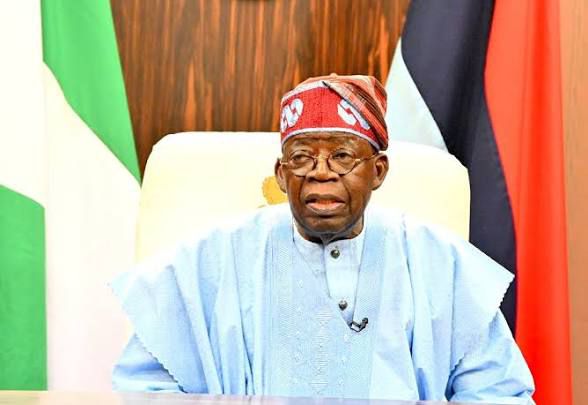
This assurance was given by the Minister of Foreign Affairs, Bianca Odumegwu-Ojukwu, in a statement released on Thursday. She emphasized that the administration of Bola Tinubu remains committed to safeguarding the welfare and security of Nigerians living overseas.
READ MORE: Awujale Succession: Kingmakers Forward Five Princes’ Names to Gov. Abiodun
According to the minister, the repatriation process is already underway. The first group of 258 returnees arrived in Lagos on June 11 and was welcomed at the Murtala Muhammed International Airport by the Minister of State for Foreign Affairs, Sola Enikanolaiye.
Odumegwu-Ojukwu revealed that close to 1,000 Nigerians have registered for the evacuation programme, with more than 742 citizens still expected to be transported back to Nigeria in the coming days.
She stated that President Tinubu had instructed relevant government agencies to provide immediate support to Nigerians facing intimidation, harassment, or insecurity in South Africa and facilitate their voluntary return.
“The government remains committed to every Nigerian citizen. Anyone who has registered and expressed a desire to return home will be evacuated before the stipulated deadline,” she said.
The minister expressed deep concern over reports of attacks and discriminatory treatment directed at Nigerians and other African migrants, noting that many of those affected have spent years building careers, businesses, and families in South Africa.
She observed that some Nigerians are married to South African nationals and have children who have spent their entire lives in the country, making the situation particularly distressing.
“It becomes a major concern when citizens who have invested years of their lives in another country begin to face harassment and insecurity,” she stated.
Odumegwu-Ojukwu said Nigeria is maintaining diplomatic discussions with South African authorities while exploring additional lawful measures to protect the interests of its nationals.
She stressed that any further actions by the government would be guided by constitutional provisions and established diplomatic channels.
The minister also questioned what she described as the disparity in treatment between Nigerians in South Africa and South African businesses operating in Nigeria.
According to her, more than 120 South African-owned companies are active across sectors such as telecommunications, banking, broadcasting, and hospitality within Nigeria.
“We have businesses such as MTN, MultiChoice, Stanbic, Protea, and many others operating without restrictions in Nigeria. No one is demanding nationality verification from their staff or targeting their investments, yet Nigerians in South Africa are experiencing a different situation,” she said.
She warned that the actions of anti-migrant groups are tarnishing South Africa’s international image and contradicting the pan-African ideals promoted by former South African President Nelson Mandela.
According to her, the recurring attacks have already begun affecting conferences, entertainment events, and commercial activities, with South Africa increasingly being viewed as unfriendly to foreign nationals.
The minister further disclosed that South African authorities have not yet implemented a Memorandum of Understanding signed with Nigeria in October 2025, which was intended to establish an early-warning mechanism for protecting citizens of both countries during periods of unrest.
She explained that South Africa later argued that the officials who signed the agreement lacked the authority to make it legally binding, leading to delays in its activation.
Odumegwu-Ojukwu added that several African nations, including Ghana, Zimbabwe, Malawi, and Mozambique, have also begun repatriating their citizens amid growing concerns over the attacks.
The latest evacuation initiative comes as pressure mounts on South African authorities to curb recurring xenophobic incidents and provide stronger protection for African migrants, whose safety has become a growing concern across the continent.
About The Author