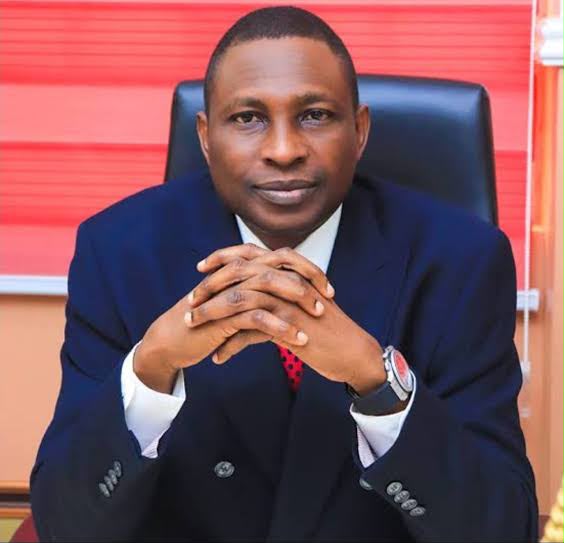
The Chairman of the Economic and Financial Crimes Commission (EFCC), Ola Olukoyede, has disclosed that some governorship contenders in Nigeria spend as much as N20 billion to N30 billion in their quest to secure electoral success.
Speaking on Wednesday in Ilorin, Olukoyede expressed concern that the rising cost of elections poses a significant danger to democracy and encourages corruption among public officeholders.
READ MORE: Xenophobia: 268 Nigerians Set to Return from South Africa Today
He made the remarks while delivering the maiden edition of the distinguished guest lecture series organised by the Centre for Peace and Strategic Studies. The lecture, titled “De-risking and Mobilising Critical Stakeholders for Peaceful and Credible 2027 Elections in Nigeria,” focused on measures needed to safeguard the country’s electoral process.
According to the EFCC boss, the enormous sums invested in election campaigns and party primaries often push successful candidates to divert public resources once they assume office in an effort to recoup their expenses.
He noted that the financial burden associated with winning political office creates incentives for the misuse of government funds, particularly in high-stakes contests such as governorship elections.
Olukoyede reiterated the commission’s determination to combat vote-buying and other forms of monetary inducement capable of compromising the credibility of elections.
He said, “When votes become commodities, the essence of democratic governance is weakened. The practice undermines the process of producing credible leaders, as individuals who spend heavily to gain office may prioritise recovering their expenditures instead of serving the people.”
The anti-corruption chief revealed that the EFCC has arrested numerous individuals across the country over vote-buying and related electoral violations, adding that several convictions have already been secured.
Those prosecuted, he said, include politicians, election officials and other persons implicated in electoral malpractice.
Olukoyede warned that allowing electoral offences to go unpunished could threaten democratic stability and national cohesion, stressing that enforcement of electoral laws must be impartial and comprehensive.
He further disclosed plans by the commission to deploy drones and other technological tools during the 2027 general elections to improve surveillance and detect incidents of vote-buying and financial inducement at polling centres.
The EFCC chairman also urged political parties and their supporters to focus on issue-driven campaigns and refrain from inflammatory statements capable of triggering violence.
He called on key stakeholders—including the Independent National Electoral Commission, security agencies, civil society organisations, media practitioners and political actors—to work together in ensuring peaceful, transparent and credible elections.
Earlier, the Vice-Chancellor of University of Ilorin, Wahab Egbewole, described electoral corruption as a serious challenge to democratic growth and national security.
He emphasised that credible elections remain vital to political stability, economic development and public trust in governance, while advocating stronger collaboration between academic institutions and agencies tasked with protecting electoral integrity.
Also speaking, the Director of the Centre for Peace and Strategic Studies, G.A. Animasawun, explained that the lecture series was established to encourage proactive discussions on emerging threats to Nigeria’s electoral system ahead of the 2027 elections.
He added that the initiative would bring together policymakers, security professionals, electoral administrators, civil society representatives and scholars to develop practical strategies for conducting peaceful and credible polls.
The event drew participants from security agencies, electoral institutions, civil society groups, academia and the student community.
About The Author