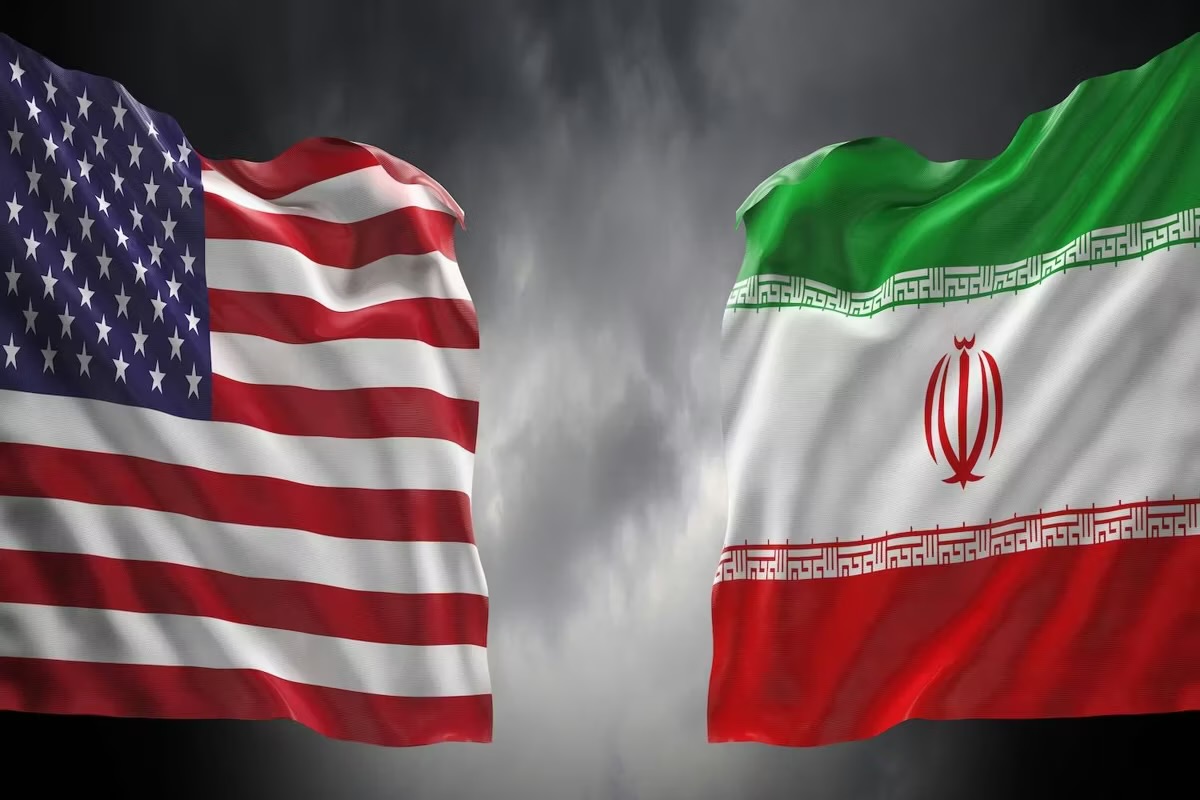
The United States and Iran have traded fresh military strikes following attacks on oil tankers in the Strait of Hormuz, marking the most serious escalation between the two countries since they signed an interim agreement in June.
The US Central Command (CENTCOM) announced on Tuesday that it carried out what it described as “powerful” retaliatory strikes after three commercial oil tankers were attacked in the strategic waterway. According to the military, more than 80 Iranian targets were hit, including air defence installations, coastal radar systems, missile launch sites, command centres and fast attack boats.
READ MORE: Dangote begins preliminary work on $17bn Kenya refinery project
Iran responded on Wednesday by launching missile and drone attacks against US military facilities in Bahrain and Kuwait. The Islamic Revolutionary Guard Corps (IRGC) said about 85 American military locations, including a US Navy headquarters and an air base in Kuwait, were targeted.
The renewed hostilities unsettled global energy markets, with Brent crude prices climbing more than three per cent to about $76 per barrel.
Speaking at the NATO summit in Ankara, Turkey, NATO Secretary-General Mark Rutte defended Washington’s military response, describing it as “absolutely necessary.” He argued that Iran had effectively violated the ceasefire through the attacks on commercial vessels.
The United States also reinstated sanctions on Iranian oil exports by cancelling a temporary waiver that had been granted under last month’s memorandum of understanding between Washington and Tehran.
Reacting to the move, Iran’s Parliament Speaker, Mohammad Bagher Ghalibaf, accused the US of violating the agreement through both the renewed sanctions and military operations in southern Iran.
“The era of intimidation and coercion is over. Such actions will not force us to surrender,” he declared.
Iranian state media reported that the US strikes hit Qeshm Island, Bandar Abbas and Sirik, leaving several civilians injured by flying debris.
Iran also confirmed its first military casualty from the latest confrontation, with state news agency IRNA reporting that Revolutionary Guards member Mohammadreza Khazini was killed while responding to drone attacks.
Kuwait condemned the Iranian missile strikes on its territory, describing them as repeated violations of its sovereignty.
Diplomatic efforts to negotiate a permanent agreement between the US and Iran have stalled, partly due to funeral ceremonies for Iran’s late Supreme Leader, Ayatollah Ali Khamenei, who was killed during the opening phase of the recent US-Israeli military campaign against Iran.
Memorial events continued in Iraq on Wednesday, while his burial is scheduled to take place in Mashhad, northeastern Iran, on Thursday. There is no indication yet of when negotiations will resume.
Before the latest military exchanges, Iran’s deputy foreign minister had warned that Washington’s actions amounted to a breach of the memorandum signed last month and promised a decisive response.
The US, meanwhile, insisted there would be consequences for what it called the “wholly unacceptable” attacks on commercial shipping in one of the world’s busiest maritime routes.
CENTCOM stated that its operation also destroyed around 60 small boats believed to be linked to Iranian naval forces, adding that the strikes were intended to impose significant costs for attacks on civilian shipping operating in international waters.
Iran’s Foreign Ministry condemned Washington’s decision to restore oil sanctions, saying it demonstrated the US government’s “bad faith, inconsistency and unreliability.” The ministry insisted Tehran would take all necessary measures to protect its national security and strategic interests.
Qatar and Saudi Arabia also accused Iran of targeting their vessels navigating through or near the Strait of Hormuz.
Qatar’s Foreign Ministry said a tanker identified as Al-Rekayyat had come under attack while transiting near the strait, holding Iran fully responsible.
Saudi Arabia, in a separate statement, alleged that its tanker Wadyan was also struck while passing through the waterway.
Iran rejected the accusations. Foreign Ministry spokesman Esmail Baghaei described Qatar’s claims as inconsistent with the principles of good neighbourliness. He argued that ships failing to coordinate their routes with Iranian authorities or interfering with vessel tracking systems increased the risk of collisions and complicated efforts to maintain safe navigation.
The United Kingdom Maritime Trade Operations (UKMTO) earlier reported that an oil tanker caught fire after an unidentified projectile struck its engine room. It later confirmed two additional incidents in which separate vessels sustained damage while passing through the strait, although both continued their voyages.
Despite the renewed violence, a senior US official, speaking anonymously before CENTCOM announced its latest strikes, maintained that Washington remained committed to pursuing a long-term diplomatic settlement with Iran.
Last month, both countries signed a 14-point memorandum of understanding designed to extend the ceasefire and lay the foundation for a comprehensive peace agreement.
One key aspect of the arrangement requires Iran and Oman, together with other Gulf states, to negotiate the future administration and maritime management of the Strait of Hormuz.
During the recent conflict, Tehran sought greater control over the strategic waterway by creating the “Persian Gulf Strait Authority,” which it said would oversee navigation permits and maritime safety.
According to Iran’s Fars News Agency, the long-term plan under discussions would place the management of the Strait of Hormuz under joint Iranian and Omani supervision, including the possible introduction of transit service fees for commercial vessels using the route.
About The Author