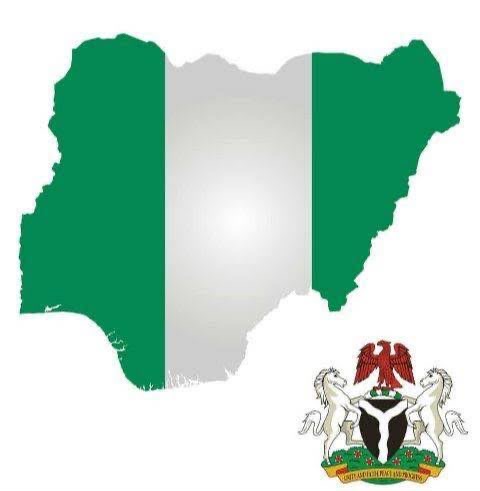
An estimated 16.99 million Nigerians are expected to experience acute food insecurity by January 2027, according to the latest projections released by the Famine Early Warning Systems Network (FEWS NET).
The projection is contained in FEWS NET’s Food Assistance Outlook Brief for July 2026, which examines worsening food insecurity in countries affected by conflict, economic challenges, and climate-related shocks, including Nigeria.
READ MORE: Iran Says Oil Sales Reached $18 Billion During Conflict and Ceasefire
The United States Government-funded early warning agency estimates that between 16 million and 16.99 million Nigerians will require urgent food assistance by January 2027. Although this marks a decline from the current estimate of 20 million to 20.99 million people in July 2026, it remains above both the January 2026 level and the country’s five-year average.
Based on the report, Nigeria is projected to rank fourth globally among countries with the largest number of people facing hunger, behind Sudan, Pakistan, and the Democratic Republic of the Congo, while remaining ahead of Yemen and Afghanistan.
The report also identifies Nigeria as one of only four countries expected to account for more than 10 percent of the estimated 145 million to 155 million people who will need emergency food assistance across the 30 countries monitored by FEWS NET by January 2027. The other countries are Sudan, Pakistan, and the Democratic Republic of the Congo.
FEWS NET noted that the projections are part of its long-running assessments designed to alert governments and humanitarian organizations to emerging food crises before they escalate.
According to the report, insecurity across northern Nigeria continues to be a major driver of food shortages by disrupting farming activities, reducing household incomes, and limiting access to farmlands. While the main harvest expected in December is likely to ease conditions temporarily, it will not fully resolve the crisis.
The report warned that staple food prices are expected to remain elevated despite the harvest because reduced agricultural production and supply chain disruptions are coinciding with heavy dependence on markets among conflict-affected households that are unable to cultivate crops.
Communities in the North-East, particularly those isolated by insecurity and restrictions on movement, are expected to remain in the “Emergency” phase of food insecurity.
Under the internationally recognized Integrated Food Security Phase Classification (IPC), the Emergency phase is the fourth of five levels of hunger severity and sits just below famine. At this stage, households face severe food shortages, rising levels of malnutrition, and an increased risk of death, or survive only by selling productive assets such as farmland, livestock, or other essential means of livelihood.
FEWS NET’s classification indicates that the projected number of food-insecure Nigerians represents between five and 10 percent of the country’s total population.
Although the expected decline from the July 2026 estimate reflects seasonal improvements linked to the December harvest, the report stressed that Nigeria’s food security situation continues to deteriorate when compared with previous years and long-term trends.
The agency identified conflict, economic hardship, and adverse weather conditions as the principal factors driving Nigeria’s food crisis, the same pressures affecting several other countries with severe hunger burdens.
Globally, Nigeria currently has the second-largest population in need of food assistance, behind Sudan. However, by January 2027, Pakistan’s projected increase in food insecurity is expected to move it ahead of Nigeria, leaving Nigeria in fourth place behind Sudan, Pakistan, and the Democratic Republic of the Congo.
Overall, FEWS NET estimates that between 145 million and 155 million people across the countries it monitors will require urgent humanitarian food assistance by January 2027.
In terms of the proportion of the population affected, South Sudan is expected to remain the hardest-hit country, with between 50 and 55 percent of its citizens likely to need food aid. Sudan, Yemen, and Somalia also rank among the countries with the highest shares of people facing severe food insecurity.
The report further warned that Sudan, South Sudan, Somalia, Mali, and Chad face a heightened risk of slipping into famine, the most severe stage of food insecurity marked by widespread starvation and extreme malnutrition.
FEWS NET explained that its population-in-need estimates include everyone experiencing Crisis-level hunger or worse (IPC Phase 3 and above), including individuals whose conditions are being temporarily improved through humanitarian assistance.
The agency also noted that while confidence levels may be lower for countries assessed remotely because of limited field access, Nigeria’s projections are based on direct in-country analysis, indicating a higher level of confidence in the assessment.
About The Author