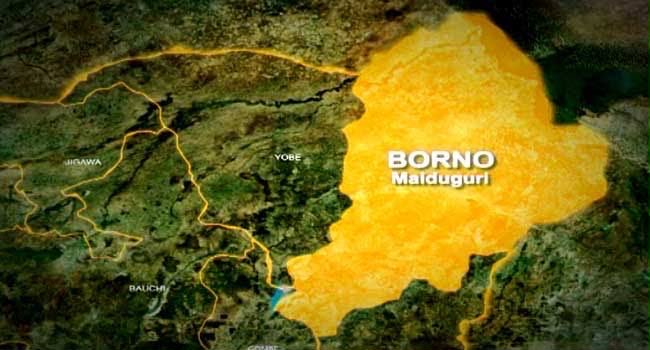
Local sources have told AFP that a government-backed militia in Nigeria, working alongside security forces, has killed dozens of ethnic Fulani herders during a cross-border raid.
According to the sources, the operation—carried out with the support of vigilante groups from neighbouring Benin near Niger State—targeted the herders over allegations that they were providing intelligence to the jihadist group Ansaru.
Vigilantes from Bussa district reportedly stormed Fulani settlements around Kabe in Borgu, leaving many dead and carrying out mass arrests.
Sources said that on Thursday, security operatives moved from house to house in Fulani communities, detaining young men suspected of collaborating with the al-Qaeda-linked group and shooting those who resisted arrest.
“About 41 suspected informants linked to Ansaru were killed during the raids, while several others were taken into custody,” said Ahmad Ali, a community leader from Konkoso village.
He added that the mission involved joint efforts by local vigilantes, their counterparts from Benin, and Nigerian soldiers.
A spokesperson for the Nigerian military declined immediate comment, saying further details would be obtained. It remains unclear whether Beninese military authorities sanctioned or participated in the operation, as their spokesperson did not respond to inquiries.
Rising suspicion and reprisals
Niger State is among several regions in central and northwestern Nigeria plagued by armed groups known locally as bandits, who engage in cattle rustling, kidnappings, and attacks on communities.
In recent years, jihadist factions from the northeast insurgency have also gained ground in the state, raising concerns about potential links between bandits and extremist groups.
The alleged recruitment of Fulani individuals by jihadist movements in the wider Sahel region has, in some cases, triggered retaliatory violence against Fulani civilians by both security forces and militias.
Experts warn that such reprisals risk worsening the crisis by driving vulnerable individuals toward extremist groups for protection.
Within Nigeria, Fulani communities have also faced economic setbacks, including market closures affecting cattle trade, often due to suspicions linking them to criminal networks. At the same time, they remain victims of armed violence.
Local tensions and aftermath
A humanitarian worker assisting displaced persons in the area estimated the death toll at 38, attributing the violence to vigilante groups from both Nigeria and Benin.
A Kabe resident, Abubakar, described the raid as a pre-emptive measure following threats allegedly issued by some herders to disrupt farming activities during the rainy season.
The tensions reportedly escalated after two Fulani men accused of ties to Ansaru were killed in the nearby community of Sabalunna. In retaliation, suspected Ansaru fighters allegedly attacked and set fire to the village.
“The herders had threatened to target farmers working in their fields, which prompted the operation,” Abubakar said, confirming that 41 people were killed.
Following the incident, many Fulani families have fled the area with their livestock, leaving settlements deserted, sources added.
AFP
About The Author