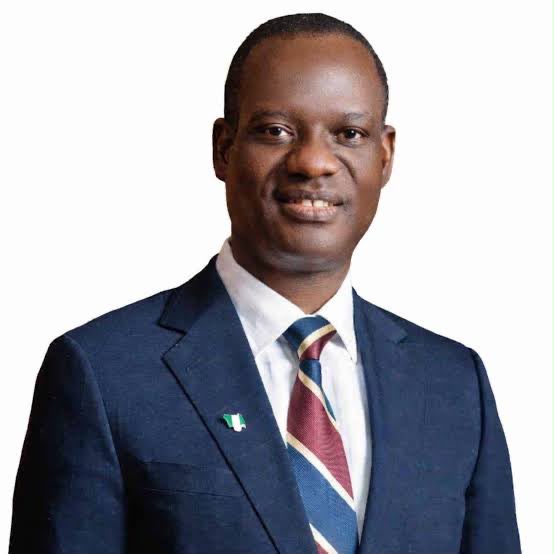
Commissioner for Women Affairs and Social Development, Zuwaira Gambo
The Borno State Government has dismissed concerns that former terrorists rehabilitated and reintegrated into society could return to violent activities.
The state government said one of the final stages of its deradicalisation and rehabilitation programme involves taking an oath with the Quran, a process officials believe discourages the ex-fighters from returning to insurgency.
READ MORE: 2027 poll: We’ll build on Makinde’s achievements — APM governorship candidate
The Commissioner for Women Affairs and Social Development, Zuwaira Gambo, disclosed this during an interview with News Central Television aired on Monday.
According to her, swearing with the holy book carries serious spiritual and moral consequences for those involved.
“When they complete all the stages of the Borno model, the final step is taking an oath with the Quran. Anyone who swears with the Quran understands the implications,” she said.
Gambo added that although some people fear the former fighters may return to the forests, such individuals would face severe consequences from their former associates.
“Some believe they may go back to the bush, but if they do, they are considered finished already. Once you surrender to constituted authority, you are seen as an infidel by those groups,” she explained.
The commissioner, however, acknowledged that inadequate funding remains one of the major obstacles affecting the smooth implementation of the programme.
She noted that caring for large numbers of rehabilitated persons requires significant resources for feeding, clothing, education and other welfare needs.
Her comments come amid growing public criticism over the graduation and planned reintegration of 744 former insurgents under the Federal Government’s De-radicalisation, Rehabilitation and Reintegration initiative, known as Operation Safe Corridor.
Out of the beneficiaries, 597 are from Borno State, while others are from Adamawa, Yobe, Kano and several other states.
The development has sparked nationwide debate over accountability, transparency and the impact of reintegrating former insurgents into communities affected by terrorism.
President of the Nigerian Bar Association, Afam Osigwe, said the programme itself was not entirely wrong but raised concerns about secrecy and lack of proper monitoring.
He argued that returning individuals accused of violence and destruction to communities without addressing the suffering of victims could appear unfair.
Similarly, Isa Sanusi, Country Director of Amnesty International in Nigeria, said international law supports reintegration for repentant fighters, but stressed that the Nigerian process lacks sufficient transparency.
Sanusi noted that there were concerns that some individuals described as repentant had allegedly returned to insurgent activities in the past.
He called on the government to openly disclose the identities of those involved, their level of participation in terrorist acts and whether they served as informants or active fighters.
About The Author