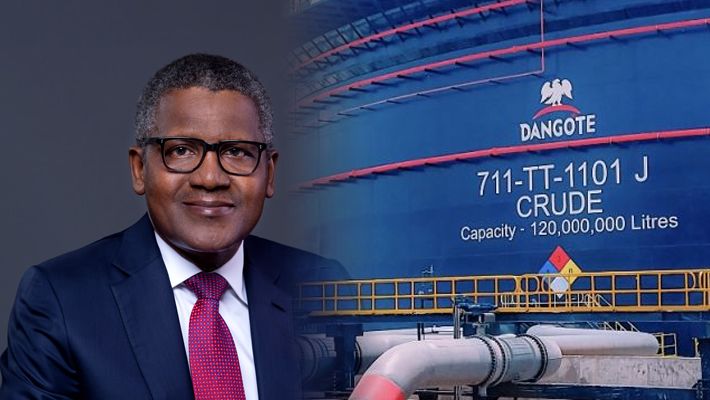
Fuel marketers in Abuja have maintained existing petrol pump prices despite the recent reduction in the ex-depot price of Premium Motor Spirit (PMS) announced by Dangote Petroleum Refinery.
A survey conducted on Wednesday revealed that more than a day after the refinery lowered its gantry price by N75 per litre, major filling stations had yet to pass the savings on to consumers.
READ MORE: Oil Prices Extend Decline After US-Iran Agreement Reopens Hormuz Route
At several retail outlets across the Federal Capital Territory, petrol continued to sell at previous rates. Stations operated by NNPC Retail and TotalEnergies dispensed the product at N1,335 per litre, while AA Rano sold at N1,350 per litre. Conoil and AYM Shafa outlets maintained a price of N1,330 per litre.
The situation has raised concerns among motorists and consumers who expected the refinery’s latest price adjustment to trigger an immediate reduction in pump prices nationwide.
Addressing the issue, the President of the Petroleum Products Retail Outlets Owners Association of Nigeria (PETROAN), Dr. Billy Gillis-Harry, explained that several variables determine retail fuel prices beyond the cost at which marketers purchase products from refineries.
According to him, factors such as product availability, transportation expenses, storage costs and distribution logistics all contribute to the final price consumers pay at filling stations.
He noted that fuel price reductions often take time to reflect at the retail level because marketers must first sell existing inventory acquired at higher costs before purchasing new stock at the revised rates.
Gillis-Harry also explained why fuel price increases are usually implemented more quickly than reductions, stating that marketers often need immediate additional revenue to finance fresh supplies when replacement costs rise.
He added that while operators may incur some losses during price transitions, they generally seek to minimise the impact on their working capital and ability to restock.
Meanwhile, energy analyst Olabode Sowunmi said the pricing structure of petrol in Nigeria is shaped by a combination of supply-chain expenses and domestic market arrangements, rather than international crude oil prices alone.
Sowunmi observed that although global crude oil prices influence fuel markets worldwide, the effect on Nigeria’s retail petrol prices is often indirect.
He pointed out that Dangote Refinery benefits from arrangements that allow part of its crude supply to be paid for in naira, reducing its exposure to fluctuations in international oil markets and foreign exchange pressures.
According to the analyst, transportation and distribution costs from the refinery to end users remain among the most significant factors influencing the final pump price.
He stressed that the cost of moving fuel through the domestic supply chain ultimately plays a major role in determining what consumers pay at filling stations across the country.
About The Author