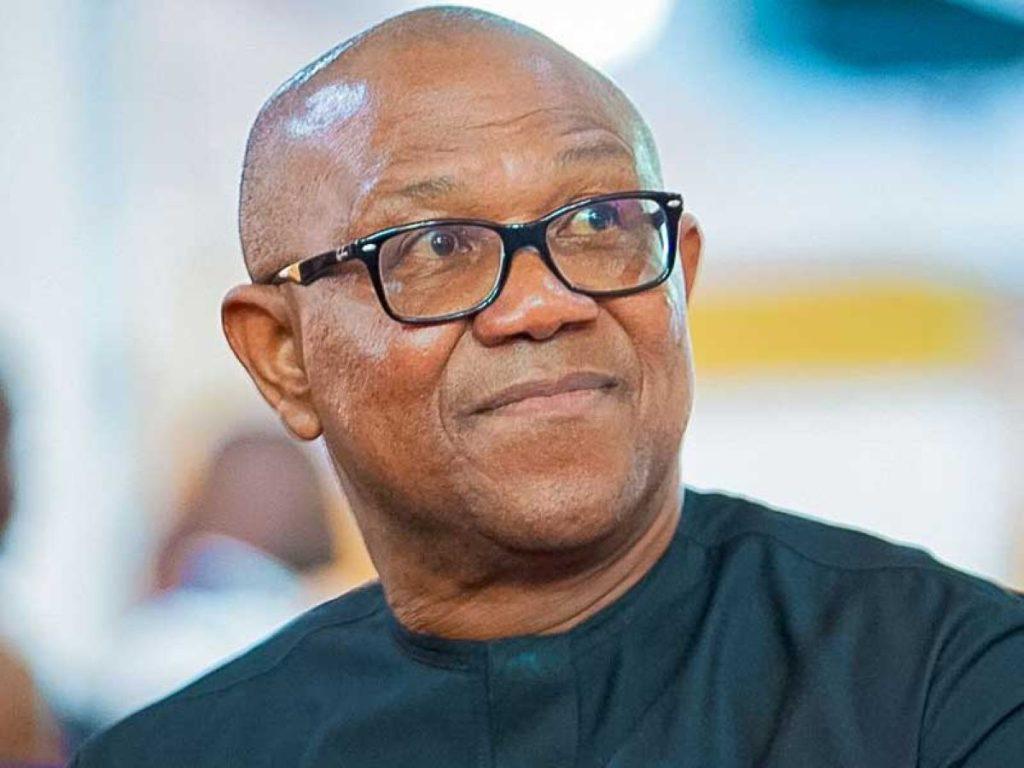
The 2027 presidential candidate of the Nigeria Democratic Congress, Peter Obi, has criticised the administration of President Bola Tinubu over Nigeria’s growing debt profile, alleging a lack of transparency and accountability in the management of borrowed funds.
Obi argued that the country’s total public debt has climbed to nearly N200 trillion under the current government, describing the trend as evidence of poor fiscal management and unsustainable borrowing practices.
READ MORE: Oyo School Kidnapping: Abducted Principal Refutes Claims of Sharia Law Demand by Captors
According to him, Nigeria’s debt stock has increased by more than N100 trillion within three years, compared to the approximately N49 trillion accumulated during the eight-year tenure of former President Muhammadu Buhari.
The former Labour Party presidential candidate made the remarks in a statement shared on his X account on Tuesday, where he expressed concern about what he called the government’s failure to provide adequate explanations on how borrowed resources have been utilised.
“Under President Bola Tinubu, Nigeria has witnessed an unprecedented rise in public debt, pushing the nation’s liabilities to about N200 trillion. This means more than N100 trillion has been added in less than three years, compared with roughly N49 trillion recorded throughout the Buhari administration,” Obi stated.
He maintained that many Nigerians were increasingly worried about the pace of borrowing and the absence of clear information regarding the deployment of the funds.
Referencing data from the Budget Office, Obi noted that between January and September 2025, the Federal Government reportedly borrowed N11.89 trillion, surpassing its projected borrowing target of N10.34 trillion by approximately N1.54 trillion.
He argued that such a deviation from budget projections should ordinarily trigger detailed explanations and oversight by relevant government institutions.
“In any accountable system, exceeding approved borrowing limits would require proper scrutiny and justification. Unfortunately, that level of accountability appears lacking under the current administration,” he said.
Obi further alleged that only N3.10 trillion of the borrowed amount was channelled into capital projects during the first nine months of 2025, representing just 17.66 per cent of the N17.58 trillion allocated for capital expenditure.
He questioned the destination of the remaining funds and called on authorities to provide a comprehensive breakdown of how the money was spent.
“The most troubling aspect of the current financial management structure is the absence of clear information regarding the utilisation of the balance of these borrowed funds,” he said.
He added that Nigerians were entitled to know whether the money was spent on recurrent expenses, administrative costs, or other government programmes.
“Nigerians deserve full disclosure and a clear explanation of how public resources are being managed. Transparency is essential in a period when citizens are facing significant economic challenges,” Obi stated.
Nigeria’s debt burden has continued to attract attention since the Tinubu administration introduced major economic reforms in 2023, including the removal of fuel subsidies and the harmonisation of the foreign exchange market.
While the reforms were designed to address long-standing fiscal imbalances and attract investment, they also contributed to inflationary pressures, currency fluctuations, and rising living costs. The depreciation of the naira has equally increased the domestic cost of servicing external debt obligations.
In May 2026, President Tinubu disclosed that the country was expected to spend approximately $11.6 billion on debt servicing during the year.
Supporters of the administration maintain that borrowing remains necessary to finance key infrastructure and development projects, while critics caution that the growing debt burden could undermine economic growth if not matched by corresponding investments and revenue generation.
About The Author