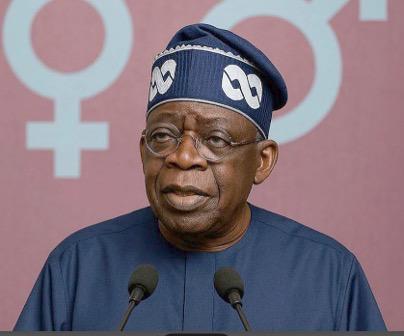
President Bola Ahmed Tinubu says a possible second term in office would focus on deeper reforms and intensified efforts to strengthen Nigeria’s economy and secure the future for coming generations.
Speaking during an interview at the recently concluded Africa CEO Forum in Kigali, the President said his administration is guided by bold leadership and the readiness to make difficult decisions for the benefit of Nigerians.
READ MORE: Tinubu returns to Lagos after official visits to France, Kenya, and Rwanda
According to him, governance requires constant innovation and hard work, stressing that governments must continue to adapt to global realities.
Tinubu defended key economic policies introduced by his administration, including the removal of fuel subsidy and the harmonisation of the foreign exchange market, describing them as painful but necessary steps to prevent economic decline.
He argued that maintaining the subsidy system would have continued to encourage corruption, smuggling, and financial waste, while also putting the country’s future at risk.
The President noted that before the reforms, many states struggled to meet obligations such as workers’ salaries despite Nigeria’s status as an oil-producing nation.
Comparing the hardship caused by the reforms to labour pains during childbirth, Tinubu said the sacrifices Nigerians are making now would eventually produce long-term economic gains.
He also defended taxation, insisting that citizens expecting quality roads, hospitals, and social services must be willing to contribute through taxes.
According to him, tax payment remains a civic responsibility for both individuals and corporate organisations.
Highlighting the impact of the reforms, Tinubu stated that the economy and the Naira had become more stable and predictable, making it easier for businesses and households to plan.
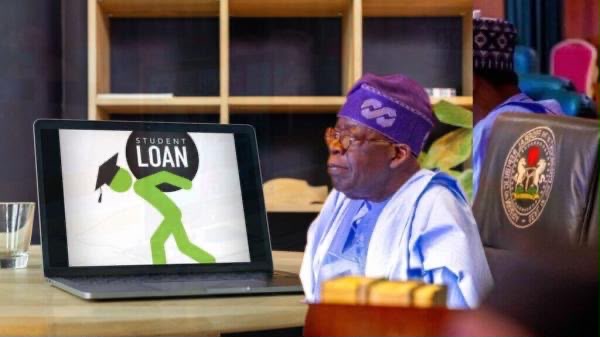
He added that the Federal Government was supporting vulnerable Nigerians through direct cash transfers and educational assistance for indigent students.
The President said students who could not previously afford school fees were now benefiting from grants, allowances, and upkeep support.
On industrial development, Tinubu explained that his administration was focused on supporting businesses capable of boosting local production and creating jobs.
He cited Dangote Refinery and BUA Group as examples of indigenous companies deserving government support.
Tinubu revealed that his administration approved the sale of crude oil to the Dangote Refinery in Naira to reduce operational bottlenecks and ease pressure on foreign exchange.
He also defended the ongoing Lagos-Calabar Coastal Highway project, saying it was designed to promote national integration, tourism, and investment along Nigeria’s coastline.
According to him, locally produced cement and steel are being prioritised for the project to strengthen domestic industries.
Speaking on national unity, Tinubu urged Nigerians to embrace diversity as a source of strength rather than division, stressing that every citizen has a role in building the country regardless of ethnic background.
On security and foreign relations, the President said regional cooperation and partnerships with neighbouring countries and global allies remained essential in addressing security challenges.
He maintained that Nigeria continued to play a leading role in Economic Community of West African States and across Africa, adding that the country must continue to provide direction for the region.
About The Author