Lagos 2027: Who Will Tinubu Choose?
As the 2027 governorship election in Lagos draws closer, political tension is steadily building. Aspirants are positioning themselves, alliances are forming, and the electorate is watching closely. Yet, beneath all the noise, one reality remains constant: the path to Alausa appears to lead through one man , Bola Ahmed Tinubu.
Since Nigeria’s return to democracy in 1999, Tinubu has maintained a firm grip on Lagos politics, playing a decisive role in determining who governs the state. As a result, many aspirants seem less focused on public appeal or performance and more concerned with demonstrating loyalty to the political structure he leads. For many observers, the race is not necessarily about competence or popularity, but about who earns Tinubu’s endorsement.
This reality raises a critical question: who will Tinubu choose in 2027?
Over the years, precedent suggests that the selection of Lagos State governors—particularly under the All Progressives Congress (APC)—has often gone beyond visible achievements or political strength. Analysts argue that loyalty, alignment, and trust within the political hierarchy tend to outweigh other considerations. Ultimately, the decision has consistently rested on Tinubu’s discretion.
Several prominent figures have emerged as potential contenders.
The current Deputy Governor, Femi Hamzat, is widely regarded as a seasoned technocrat with deep political roots. Born into a politically active family, his father was a notable figure in Lagos politics. Hamzat has long been part of the state’s governance structure and has demonstrated patience over the years, having missed previous opportunities in 2015 and 2023. Many believe 2027 could finally be his moment if loyalty and consistency are rewarded.
Former governor Akinwumi Ambode also remains a significant figure in the conversation. Once sidelined after falling out of favour with the political establishment, Ambode’s political journey has been both dramatic and instructive.
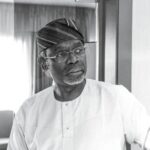
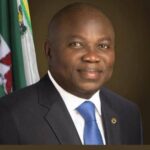
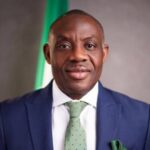
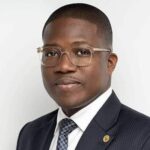
Despite losing re-election after one term, he has since reconciled with Tinubu’s camp. There is growing speculation that he could be given another opportunity to complete what many consider an unfinished tenure.
Another strong name is Hakeem Muri Okunola, popularly known as HMO. A seasoned administrator and current Principal Secretary to the President, he is seen as one of Tinubu’s closest loyalists. With a background in law and public service, and years of proximity to power, many insiders believe he could emerge as a preferred candidate.
Senator Tokunbo Abiru, representing Lagos East, also stands out.
A respected banker and former Commissioner for Finance, Abiru has built a reputation for competence in both the public and private sectors. His steady rise in politics, reportedly with Tinubu’s backing, places him among the credible contenders.
Similarly, Tunji Alausa, the current Minister of Education, is another name in the mix. Though relatively new in the political spotlight, his rapid ascent within the federal cabinet signals strong backing and growing influence.
Finally, Femi Gbajabiamila, Chief of Staff to the President and former Speaker of the House of Representatives, remains a powerful figure. With decades of legislative experience and close proximity to Tinubu, he is widely regarded as one of the most influential actors in the current political landscape.
Despite the prominence of these names, Lagos politics has never been entirely predictable. Time and again, candidates who were not initially seen as frontrunners have emerged victorious, largely due to last-minute decisions from the top.
In the end, while campaigns will be run, promises will be made, and strategies will unfold, the defining factor may still come down to one question:
Who will Bola Ahmed Tinubu choose?
About The Author