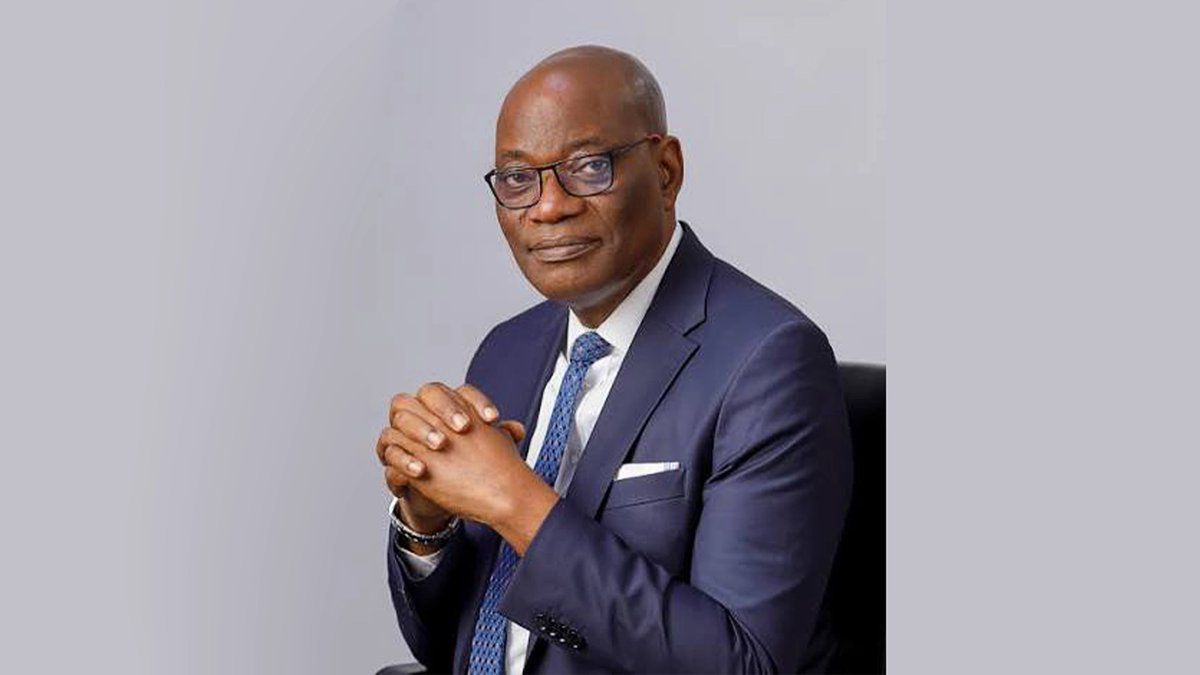
The Special Adviser to President Bola Tinubu on Information and Strategy, Bayo Onanuga, has defended the administration’s economic reforms, stating that he has not personally observed the extent of hunger and hardship often discussed by Nigerians.
Speaking during an interview on Arise Television on Tuesday, Onanuga said several government initiatives and infrastructure projects are already making a positive impact on citizens’ lives.
READ MORE:Eight Killed, Five Saved as Farmers-Herders Conflict Erupts in Kebbi
Using road development as an example, he recalled a recent journey from Ibadan to Lagos. According to him, while travelling, Google Maps indicated heavy traffic on the Lagos route, prompting him to divert through Ijebu-Ode and Shagamu.
“I was surprised to find myself driving on a well-constructed concrete road,” he said. “I wondered when it had been built.”
He noted that people in the area appeared satisfied with the improvement, adding that many residents no longer complain because they now enjoy access to a modern road network.
Onanuga also cited the ongoing coastal highway project, saying it has significantly reduced travel time for commuters, including himself.
“I live in Ajah, and whenever I travel into Lagos, Google Maps now estimates my journey home at about one hour and seven minutes. Previously, the trip could take as long as two and a half hours. The new coastal road has made movement much easier,” he explained.
Questioning persistent criticism of the government, he asked whether such developments should not be regarded as meaningful benefits to the public.
The presidential aide further pointed to the Federal Government’s student loan programme and low-interest loan facilities for civil servants as evidence of efforts to ease financial burdens on citizens.
He argued that parents with multiple children in higher institutions can benefit from interest-free student loans, while public servants now have access to single-digit interest loans, making credit more affordable.
According to him, public discussions about the economy often ignore some of the achievements recorded under the Tinubu administration.
“We have become trapped in certain assumptions and conclusions,” he remarked.
Onanuga also referenced a viral video from the early days of the administration in which a voice-over repeatedly said “Ebi n pawa o” (meaning “we are hungry”), suggesting that the phrase has since shaped public perception.
While acknowledging that many Nigerians are facing economic challenges, he maintained that his personal experience does not reflect the severe level of hunger frequently portrayed in public conversations.
“I am a Nigerian, and I interact with people who work for me. I regularly ask them how they are coping, what challenges they face, and how they are adjusting. From what I see around me, I do not observe the level of hunger that many people describe,” he said.
About The Author