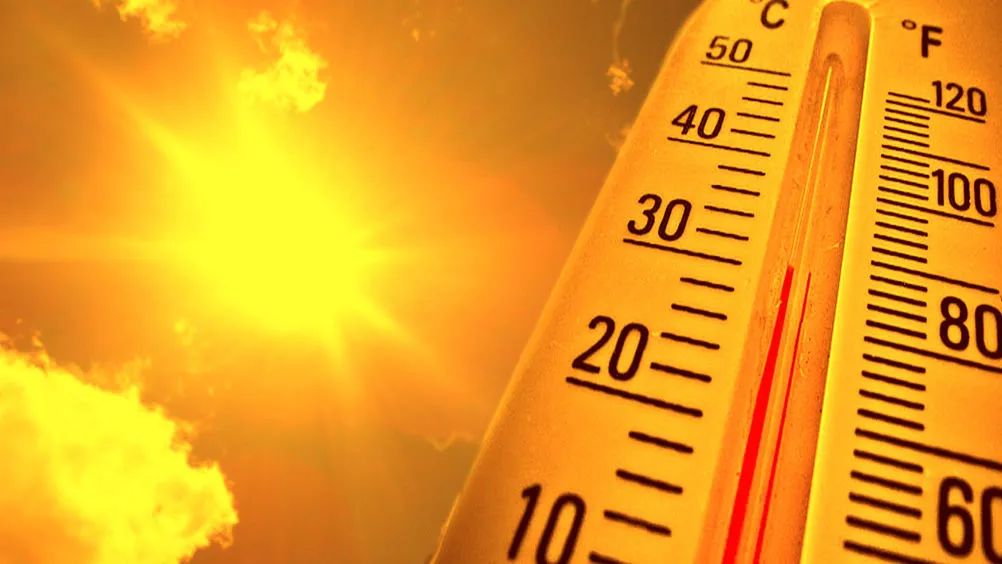
A number of schools across England have announced early closures or temporary shutdowns as a severe heatwave continues to affect the United Kingdom, with meteorologists warning that temperatures could approach historic highs.
READ MORE: Ibukunoluwa Adeleke, Ogunfeyijimi Tie the Knot in Grand Traditional Wedding Ceremony in Ede
The UK’s national weather service, the Met Office, has issued a rare red alert for extreme heat across parts of central and southern England, including London and Birmingham, covering Wednesday and Thursday.
Officials say temperatures may soar to around 40°C, a level rarely experienced in the country and unusual for this time of year.
Weather experts have also indicated that the UK’s June temperature record of 35.6°C, established in 1976, could be broken. Temperatures in some areas of southern England were forecast to reach 37°C on Tuesday.
Chief Scientist at the Met Office, Stephen Belcher, described the forecast as deeply concerning.
“Experiencing temperatures of this magnitude in the UK during June is a stark reminder of the changing climate,” he said, noting that human-driven climate change is increasing both the frequency and intensity of extreme weather events.
Climate specialists have long cautioned that Britain is not adequately prepared for hotter summers and more frequent heatwaves.
With temperatures continuing to rise, several schools have opted to release students earlier than usual, while others have suspended classes for the rest of the week.
One school in Buckinghamshire announced that it would remain closed on Wednesday and Thursday, citing inadequate cooling systems and insufficient shaded outdoor areas.
Transport services are also adjusting operations in response to the extreme conditions. Network Rail has advised passengers to travel only when necessary during the hottest period of the heatwave. Rail companies operating routes between northeast England and London have likewise urged customers to postpone non-essential journeys.
The Met Office warned that overnight temperatures are expected to remain unusually high, creating what are known as “tropical nights” in some parts of England and Wales, where temperatures stay elevated after sunset and provide little respite from the daytime heat.
Deputy Chief Forecaster Mark Sidaway cautioned that the prolonged hot weather could pose serious health risks.
“We anticipate widespread and significant impacts from this heatwave, with potential health consequences affecting many people, not only those traditionally considered vulnerable to high temperatures,” he said.
About The Author