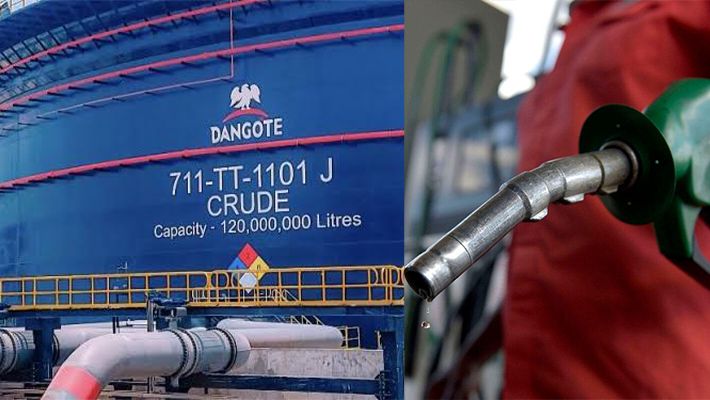
Dangote Petroleum Refinery has announced a reduction in the ex-depot price of Premium Motor Spirit (PMS), commonly known as petrol, lowering the rate by N75 per litre.
The new pricing structure was communicated to fuel marketers through a notice issued on Monday. According to the refinery, the decision was influenced by the easing of geopolitical tensions in the Middle East, a development that has contributed to a decline in global energy costs after months of volatility.
READ MORE: Baba Ijesha Celebrates Arrival of Baby Boy
In the notification, the company stated that it had reviewed its petrol gantry and coastal prices in response to the improving situation in the region.
Under the revised pricing regime, the gantry price has been reduced from N1,250 to N1,175 per litre. Similarly, the coastal price per metric tonne has dropped from N1,595,790 to N1,495,215.
The refinery disclosed that the new rates would become effective from midnight, adding that all pending and unloaded gantry volumes would be adjusted to reflect the revised price from 12:00 a.m. on June 16, 2026.
Dangote Refinery expressed appreciation to its customers for their continued support and reaffirmed its commitment to maintaining a steady supply of petroleum products and delivering quality service.
Industry data from Petroleumprice.ng indicated that the refinery’s latest pricing now positions it among the most competitive suppliers in the domestic market, with several marketers reportedly selling petrol at approximately N1,240 per litre on Monday.
The price adjustment comes as global crude oil markets respond positively to reports of diplomatic progress between the United States and Iran regarding the reopening of the Strait of Hormuz, a critical route for global oil shipments.
Earlier concerns over supply disruptions had pushed crude prices significantly higher during the three-month conflict between the two countries, which began on February 28. During that period, oil prices surged beyond $120 per barrel, leading to increases in fuel costs worldwide.
In Nigeria, petrol prices climbed from roughly N830 per litre to as high as N1,300 per litre, while diesel and aviation fuel also recorded substantial increases.
With crude oil prices now trending downward, stakeholders expect the refinery’s latest reduction to trigger further declines in pump prices across the country.
The downward movement in oil prices continued after the United States and Iran reportedly reached a ceasefire agreement aimed at ending hostilities and restoring stability to the Middle East region. The development has boosted confidence in global energy markets and eased concerns about supply disruptions.
Market observers believe that if the peace process is sustained and crude prices continue to decline, Nigerians could see additional reductions in fuel prices in the weeks ahead.
Although projections suggest petrol could eventually sell for as low as N900 per litre, officials at the refinery have cautioned that the company is still processing crude purchased at previously elevated prices, which may slow the pace of further reductions.
Consumers and businesses across the country are closely monitoring developments, hopeful that the easing global oil market conditions will translate into more affordable fuel and lower transportation costs.
About The Author